


Typical Everyday Problems in Later Life
As we age, changes occur that make daily life more challenging for many seniors. Joint problems, reduced muscle strength, and an unsteady sense of balance make walking difficult and increase the risk of falling. Even small obstacles like carpet edges or door thresholds can become hazards. According to international studies, about 30% of those over 65 fall at least once a year.A For those affected, a fall often means not only physical injury but also a loss of confidence and security.
Vision and hearing also decline with age. Small print becomes harder to read, conversations and phone calls more strenuous. Forgetfulness is also a common issue – names, appointments, or medications are more easily forgotten. Many everyday tasks that were once routine – like opening bottles or using a phone – become more laborious.
There is often a fear of emergencies. The worry of suddenly falling or experiencing health problems while alone accompanies many older people, noticeably restricting their sense of security and well-being.
How Everyday Aids Maintain Independence and Quality of Life
Everyday aids are more than mere tools – they enable living independently and safely despite limitations. Independence is crucial for personal well-being, as it provides a sense of control and autonomy.
They relieve family members and caregivers, as many situations can be handled without outside help. Additionally, they extend the possibility of staying in familiar surroundings – a major desire for many older people, as home represents security, safety, and memories.
Everyday Aids That Make Life Easier
With the right aids, many challenges in everyday life can be significantly easier to manage. They provide safety, maintain independence, and enhance the quality of life in old age.
Household and Living Environment
Practical grabbers or reaching aids make it easier to reach items from the floor or high shelves. Special lid openers or drinking aids make eating and drinking pleasant and safe again.
Mobility and Movement
Walking sticks, walkers, or a bathtub entry aid provide support and ease daily life. A shower stool allows for safe and comfortable showering while seated. Non-slip mats prevent dangerous slips, and grab bars in the bathroom or at critical points in the home offer additional support. Such aids help ensure that everyday movements can continue to be managed independently.
Vision, Hearing, and Communication
Large-button phones, senior-friendly mobile phones with easy-to-read displays and simple menus, as well as magnifying glasses and hearing amplifiers, help organize everyday life independently and maintain contact with others.
Health and Memory
Pill dispensers with alarms or electronic reminder aids ensure that important medication times are not forgotten. Home blood pressure monitors allow for easy health checks without visiting the doctor.
Safety in Emergencies
Knowing that help can be quickly summoned in an emergency provides older people with security and gives family members peace of mind. Home emergency systems, emergency call bracelets, or an alarm button offer safety at the push of a button. This ensures that help is quickly available in case of emergency.

Safe Through Everyday Life: 8 Simple Tips for Fall Prevention
Aids provide safety – but it is even better to minimize dangers from the outset. With a few targeted measures, the risk of falling can be significantly reduced, and everyday life can be made safer. Here are a few practical tips:
1. Make the living space safe:
Your home should be a safe place. Remove tripping hazards like rugs or cables and ensure adequate lighting, especially in hallways and stairwells. A non-slip floor covering in the bathroom and kitchen also minimises the risk of falls.
2. Regularly movement:
Regular physical activity is key to a strong and stable body. Exercise and movement not only strengthen muscles and bones but also improve balance and coordination. Even simple activities like walking, swimming, or gymnastics can work wonders. Many senior clubs or sports groups offer special courses that strengthen the body and also promote social interaction.
With balance exercises, you can further improve your stability and posture:
One-legged stand: Stand upright and hold onto a stable surface if necessary. Lift one leg slightly and try to maintain balance. Hold this position for about 10-15 seconds, then switch legs. Repeat this several times on each leg.
Heel-to-toe stand: Stand on your tiptoes and hold the position for 10 seconds. Slowly lower your heels to stand on your whole foot again. Repeat this several times to strengthen the calf muscles and train balance.
3. Wear appropriate footwear:
The right shoe can make a big difference. Make sure they fit well and provide sufficient support. Avoid high heels that can impair balance. If necessary, the use of insoles can also be helpful to correct any foot problems.
4. Adjust vision and hearing aids:
Regular check-ups with the eye and ear doctor are especially important in old age. Optimal vision and hearing help to recognize and avoid potential dangers early.
5. Attention in everyday life:
Be mindful in your daily life. Allow enough time for activities to avoid rushing. This reduces stress and helps prevent falls and accidents.
6. Use aids:
Use walking sticks, walkers, or grab bars before insecurities even arise. Those who take precautions early remain mobile and safe for longer.
7. Healthy diet for strong bones:
A balanced diet with sufficient calcium and vitamin D intake is crucial for bone health. Strong bones help ensure that falls less often lead to serious injuries. Drink enough water to avoid dehydration, which can impair concentration and reaction.
8. Keep important phone numbers handy:
For emergencies: Note emergency contacts, family doctor, and neighbors in phones or in visible places.
With these simple yet effective measures, the risk of falls and accidents can be significantly reduced – for more safety and security in everyday life.

The Gardia Emergency Call Bracelet EC 70 by Beurer: Your Companion for Safety in Everyday Life
An emergency call bracelet is a small, portable device worn on the wrist like a watch, allowing for quick assistance in an emergency. They are often worn by older people, individuals with chronic illnesses, or people with special needs to easily request help in an emergency. Typical scenarios include falls, acute conditions like heart attack, stroke, or shortness of breath – but also moments when orientation is lost, and help is needed.
"Free in everyday life. Safe in an emergency."
The Gardia Emergency Call Bracelet EC 70 by Beurer supports people who want to live independently but desire more security. Whether at home or on the go: in an emergency, a single button can directly send an emergency call. True to the motto "Free in everyday life. Safe in an emergency."
Key Features at a Glance
- Automatic fall detection and quick help on site
Thanks to location transmission and voice connection, emergency contacts or the professional emergency service can provide help as quickly as possible. So you are not alone in an emergency - Easy operation
Thanks to a single button, handling is also easy for people with limitations. - Notification of emergency contacts
If an alarm is triggered on the emergency call bracelet, up to 6 emergency contacts are notified simultaneously via the "My Gardia" app. Family members can exchange information directly via the chat function. Additionally, a professional emergency service from Bosch Service Solutions GmbH can be added at any time if the emergency contacts are not on-site or traveling. This service is available 24/7 year-round and staffed by experienced emergency call assistants. - Speaker and microphone
The integrated components allow for voice communication with the bracelet wearer in an emergency. - Extra-long battery life
Battery life of up to 21 days, including battery notification for emergency contacts in the app. - Made from skin-friendly silicone, waterproof
For a comfortable wearing experience – day and night. The emergency call bracelet can also be worn in the shower or bathtub. - Quality Made in Germany – reliable technology, high-quality craftsmanship
Simple Setup in Three Steps
Setting up the Beurer emergency call bracelet is straightforward:
- Place the emergency call bracelet in the charging cradle
The emergency call bracelet is fully charged after about 2 hours. - Install the app
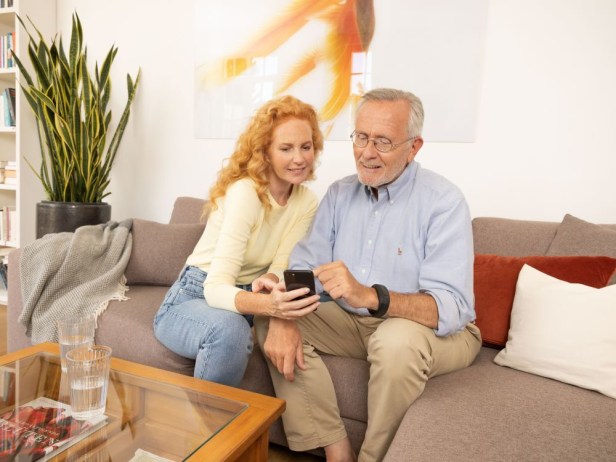
First, download the "My Gardia" app for free. Follow the instructions to pair the bracelet. Then choose the appropriate subscription. - Put on the emergency call bracelet and enjoy safety
In an emergency, the stored contacts are notified. To organize help as quickly as possible, emergency contacts can exchange information via the app chat.
This way, you are prepared for any eventuality – for more safety and peace of mind in everyday life.